Grades 3-6 is where fractions, multiplication, and place value decide how algebra will feel. The understanding was built early, so the advanced topics come quickly: naming the unit, drawing the model, explaining the math. What the schools on this page build, and what most home programs skip.
Math Success asks students to see it, draw it, and defend it, and they do.
Already behind? The lessons reach back to earlier grade levels on purpose, so real intervention is a natural part of getting up to speed. Twin Falls summer school saw multiple grade levels of growth in weeks.
30-day money-back guarantee: full refund, keep everything you've downloaded
*Iowa Elementary, Nampa, Idaho: 16% to 55% SBAC math proficiency over four years. read the principal's account →
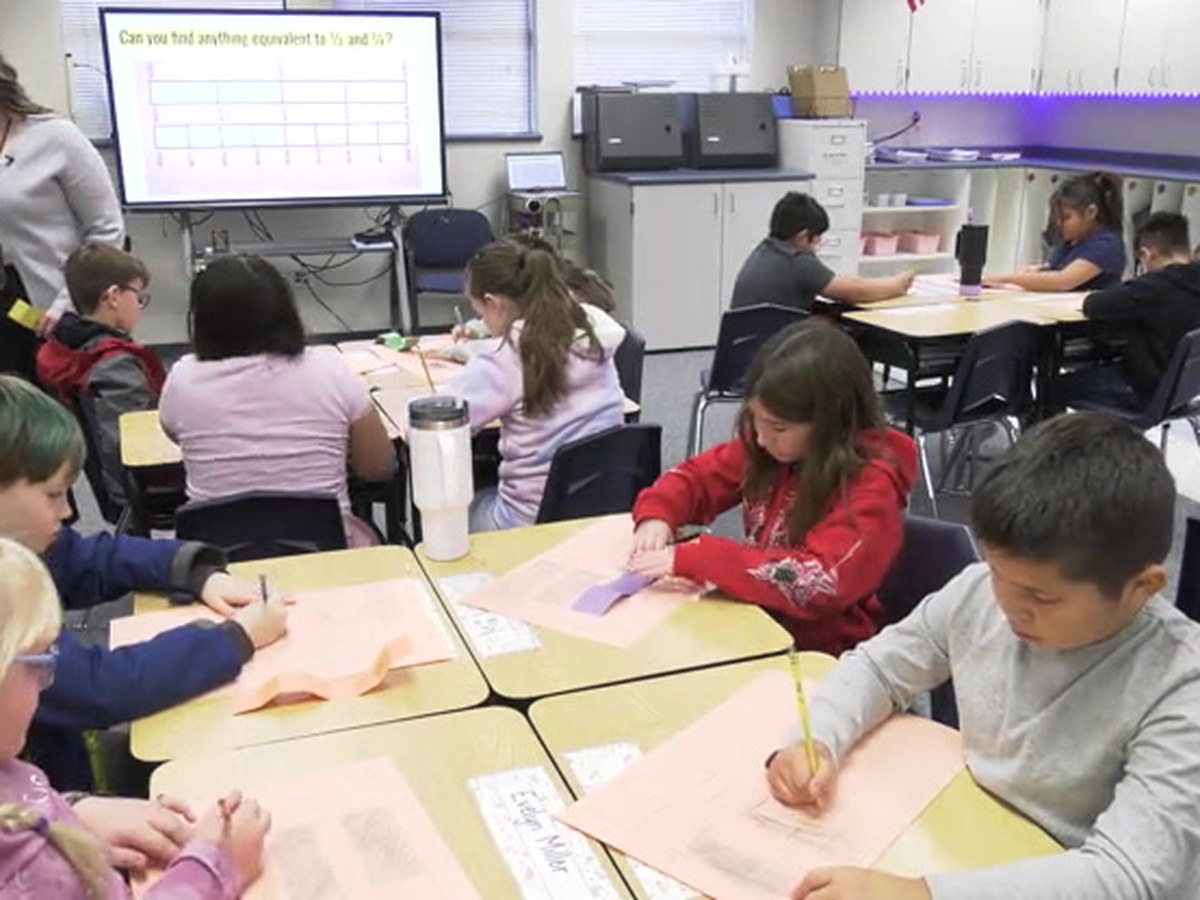
Math time at your table is a special place.
Getting the answer is one thing. Naming the unit, drawing the model, and defending why it works; that's different, and it's learnable at every grade from 3rd to 6th.
Three fourths is three units of one fourth, and the day your child can say that, draw it, and defend it, fractions stop being a rule pile. Multiplication is the same idea at whole-number scale: 6 × 24 is six units of 24, drawn with an area model they can take apart. That's why our lessons put the model first and the procedure second, and why students stop rebuilding fractions every September. Watch the free Grade 4 lesson →
The upper grades are where spatial reasoning either gets trained or gets skipped. The area model is that training in disguise: a student who can draw 6 × 24 as six units of 24 carries the picture into multi-digit work, fractions, and beyond. Students who never drew models are the ones rebuilding fractions every September. Measurement works the same way: units iterated and compared by hand before a ruler ever abbreviates them.
When your child draws the 24 and splits it, 6 × 24 becomes something they can reason through, not recall and pray. When fractions arrive, they run on the same unit language and bar models they already used for multiplication: 3/4 is three units of one fourth, drawn, not memorized.
That's real place value and real fractions: ideas your child builds, draws, and explains. That's fluency that survives past the timed test, and it's why algebra goes easier later. Watch the free Grade 4 lesson →
This is not a homeschool experiment. It is the program and the people 300+ schools brought in for their classrooms, opened up to families. The lessons are the same ones that produced the numbers below, in grades 3-6 classrooms like the ones they came from. The weekly live calls are the same researchers behind them.
Who benefits most? The students furthest behind. In that study, the students who started with the lowest math performance made the largest gains. Independent evaluation (RMC Research): 79.2% of students in DMT classrooms proficient or advanced vs 65.7% in comparison classrooms, with DMT schools serving more students in poverty and more English learners. If your child is behind, this is built for them. If your child is ahead, this is built to keep them thinking.
The most powerful vocabulary in grades 3-6 is not a spelling list. It is the precise language of mathematics, and these words appear everywhere from here to college. Your child will use them for the next twelve years. You will know exactly what they mean.
The thing being counted or measured. 3/4 is three units of one fourth. 6 × 24 is six units of 24. Inches. Square units. Halves. Quarters. Unit. A third-grade through forever word.
To take apart, in a way you choose. Students decompose 24 into 20 and 4 to multiply, decompose 3/4 into 1/4 + 1/4 + 1/4, decompose shapes to find area.
Because the words are precise, they align you and your child on the same idea. When we're consistent with unit, compose, decompose, iterate, partition, equal from the upper grades on, the math conversation never has to restart. It's the same through college and beyond.
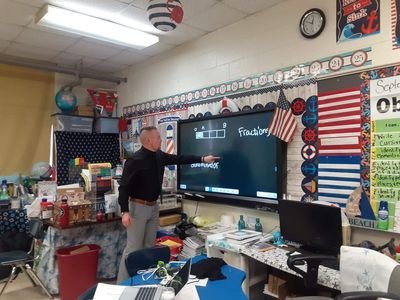
Real teachers. Real students. This is the teaching your videos show you, step by step, before you bring it to your homeroom.
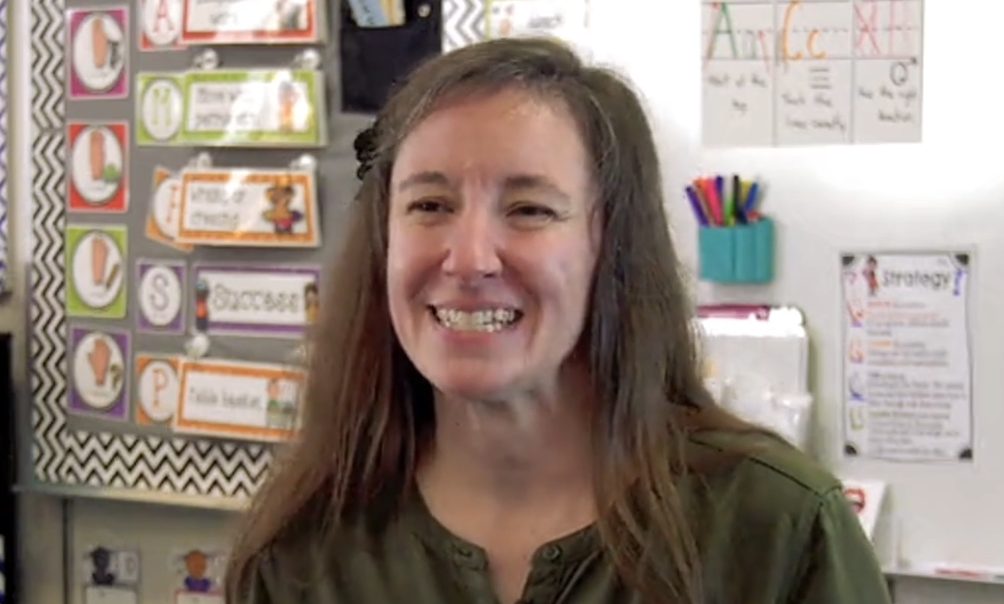
“I saw light bulbs turn on and thinking turn on that I had never seen with math.”
“This is it. This is how to teach math.”
“These kids aren't just saying math words anymore. They can explain them and show models to back it up.” Rosie Ashcraft, kindergarten teacher, on the growth and the math talk in her own classroom, the same talk your videos will show you.
You don't need a math degree. You need a clear path and a person to ask when you want one. Here is the whole loop.
Watch the lesson on video, taught start to finish with real students: the models, the questions, the language.
Fifteen minutes at the table. The printable, the activity, and the exact words to say are all in the lesson.
Bring your questions to Office Hours. Dr. Brendefur & Dr. Ismail answer them live every Monday. Stuck on equivalent fractions? That's exactly what the calls are for.
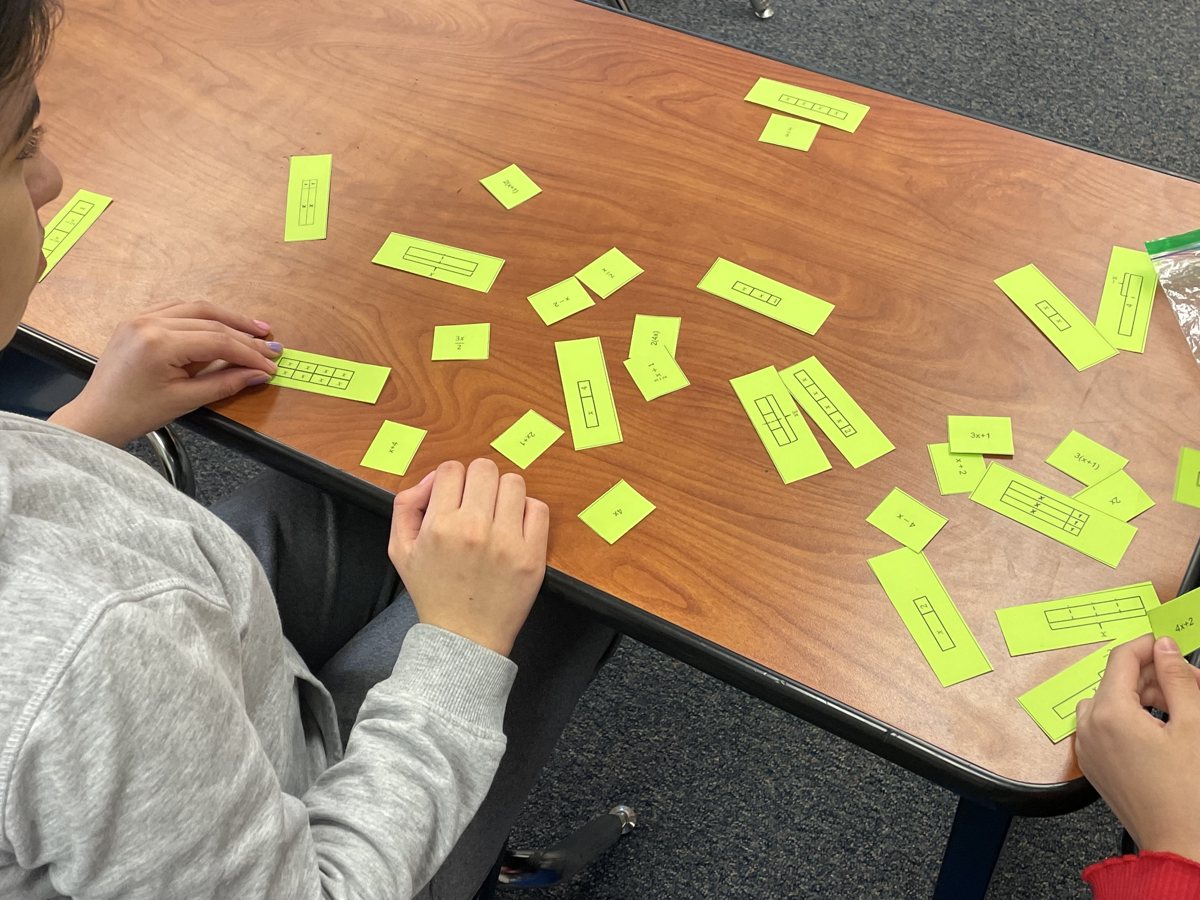
Hands need things to hold. The pack is the physical side of the program: real manipulatives with a storage bag and activity guides that use them, the same activities our coaches run in grades 3-6 classrooms: fraction cards, patty paper, pattern blocks.
the manipulatives, the same ones classrooms use
activity guides that make the math talk happen
For a younger sibling starting alongside.
Every pack comes with a full year of Math Success. See the two ways to start.
This program was built for classrooms. The homeschool side is new and getting new resources all the time: special calls and events just for homeschool families are on the way, and every homeschool family is welcome at our regular Office Hours every Monday, 3:30pm Mountain.
Grades 3-6 do more than hit benchmarks: they decide how algebra feels. The language (unit, compose, decompose, iterate) and the models (area model, bar model, number line) your child learns in these grades are the same ones that carry them through ratios, algebra, and college. Nothing to unlearn. Everything builds.
Fractions named by their unit, products drawn as area models
Ratios, rates, proportionality: same words, new numbers
Algebra that scales: models still work, language still precise
A lesson, a game, and the research behind them: the full experience before you spend a dollar. Yours to keep either way.
Equivalence & unit fractions: a complete lesson taught start to finish, with the interactive practice that goes with it.
Watch it free →Students play 2-minute probes; you get a report showing exactly where your child stands on their facts.
Play it free →The free 7-part course on how children actually learn mathematics, taught by Dr. Jonathan Brendefur.
Start it free →Dr. Brendefur on the five meanings that make every fraction topic click.
Read it free →What goes wrong and when, first learning then operations, with the fixes that work.
Read it free →The matching game that trains the eye: same whole, different units.
Play it free →
“Multiplication and fractions are the grades' hardest work, and it is never the kids' fault. Let me show you the unit-first version where it finally clicks.”
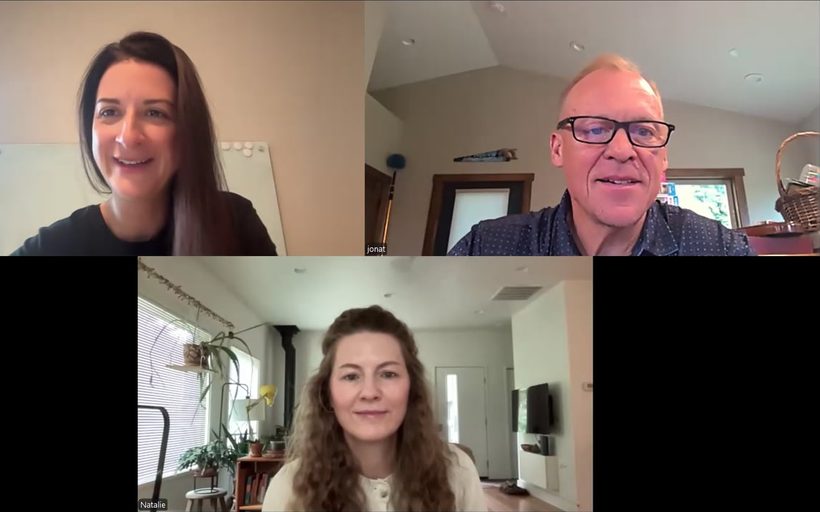
The people behind 40+ years of classroom research don't hand you a workbook and disappear. They're in the portal, on the weekly calls, and, when you need it, building a plan for your child with you.
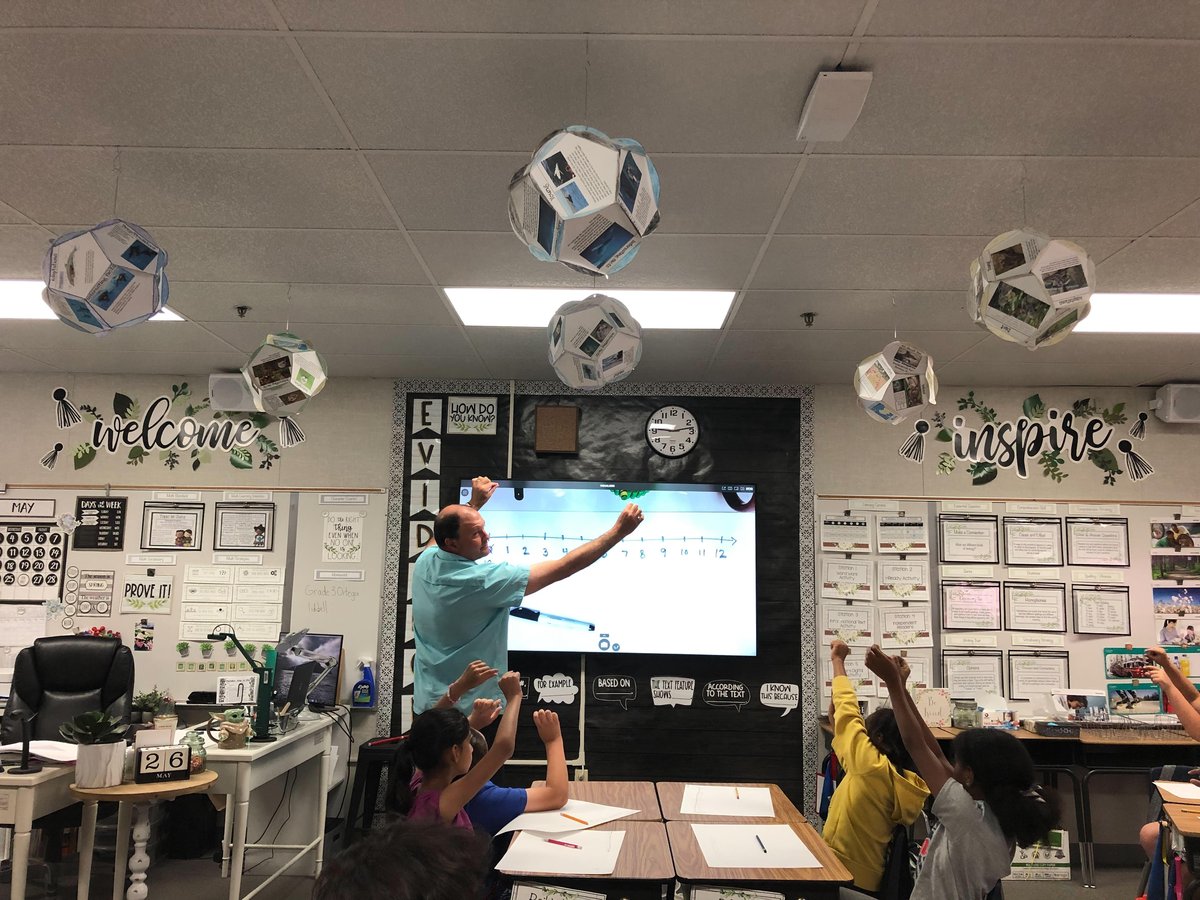
Coach in the room, number line up
Real coaching, live over Zoom
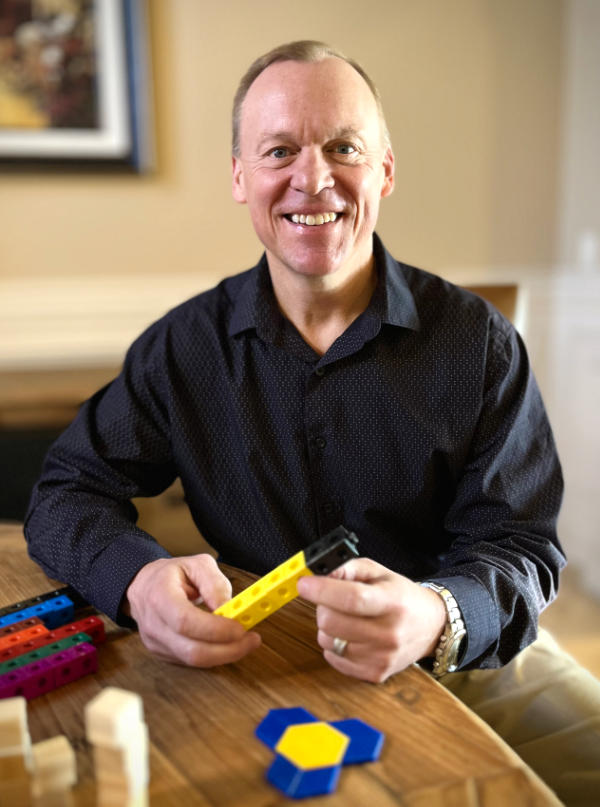
Fraction questions? He's got them.
Your child, your pace, your days. You tell us what math time actually looks like at your table, and we start there, not with a script.
Diagnostic → instruction → activities that close the gap, mapped to your child. You'll know exactly what to do tomorrow and why it works.
Weekly live calls with Dr. Brendefur & Dr. Ismail, portal Q&A answered by people who've taught the lesson. When your child hits a wall, we're there.
Every parent is in a different place. Our goal is to meet you where you are, help you understand the mathematics and your child’s thinking, and make good decisions about what to do next.
Tell us about one concept your child is stuck on, or one lesson that keeps falling flat, and we will build the plan with you. That is the partnership: parent-led, expert-backed. We do not push a system downward; we listen, advise, question, and support.
This is what each part is worth on its own. Inside the Complete Math Success Program, it's all yours, built around your family.
Every line is included in your membership
Yours included: $21/mo or $210/yr for up to 2 students
Plus at least an hour of expert time free, and as many questions as you can ask, answered. Join today, and everything you download is yours to print and keep. FOREVER.
You don't need one more thing on your plate. You need a clearer path. Start with one routine this week, and let the rest build from there.
Both give you the full K-6 program: every lesson, printable, and assessment, yours to print and keep forever, plus homeschool support from our team.
Teaching more than one child, or running a microschool? Add students at checkout, or talk to us about a bigger group.
Free weekly Q&A with Dr. Jackie Ismail and Dr. Jonathan Brendefur, the researchers behind the program. Homeschool questions welcome: a stuck lesson, a child who puzzles you, a routine you want to sharpen. Send your questions ahead of time or drop them in the YouTube chat during the call.
“Bring one stuck lesson,
leave with a plan.”
Straight answers, the same ones we'd give you on a call.
No, and this is the band where it matters most. The diagnostics find the gap underneath the grade level (often a unit or place-value idea from an earlier year), and the activities close it. In the research, the students who started furthest behind made the largest gains.
About fifteen minutes at the table. The lesson video, the printable, and the exact language to use are all in the lesson. Most families start with one routine a week and grow from there.
Both are the design case. In the research, the students who started furthest behind made the largest gains, and the diagnostics find the gap and hand you the activities that close it. Children already ahead get the harder thing: explaining, defending, and proving, not just bigger numbers.
Yes. The lessons target the concepts grade-level standards expect (number sense, place value, the operations, fractions), so whatever your state requires for homeschool reporting, this covers the concepts underneath it.
Printables print on any printer; the demo lessons and interactive games run in your browser. Nothing to install. The Math Activity Pack adds the hands-on manipulatives, shipped to your door.
Coaching is live and on demand. Sessions live in the portal, so you can catch up whenever it works. Office Hours runs every Monday at 3:30pm Mountain if you want it live.
$21/month for up to 2 students, $10/month for each additional student ($100/yr on the yearly plan). Month to month, no contract. Cancel anytime in one click, and everything you've downloaded is yours to keep. If it doesn't make math time clearer within 30 days of your first charge, we refund you. No forms.
You don't need another box on the shelf. Start with one lesson this week, watch your child explain their thinking out loud, and take it from there.
30-day money-back guarantee: full refund, keep everything you've downloaded
Month to month · no contract · cancel anytime.
Plus the 30-day money-back guarantee: if it doesn't make math time at your table clearer within 30 days of your first charge, email us and we refund you. No forms, no explanation required, and you keep the materials you already downloaded.
Here's what you get instantly when you join the Complete Math Success Program (from $21/month):
30-day money-back guarantee: full refund, keep everything you've downloaded
Not ready to subscribe? The free stuff is still yours. No card, no signup.
Try the free Grade 4 demo lesson · Take the free Foundations course
Both open with an email. That's it. Yours to keep either way.