Most curricula are underchallenging classroom reasoning and underutilizing structural language and proportional visual models.
Math Success has them see it, explain it, and defend it...and they do.
Trusted by 300+ schools · Loved by 14,000+ teachers · Built on 40+ years of classroom research
30-day money-back guarantee: full refund, keep everything you've downloaded
*Iowa Elementary, Nampa, Idaho: 16% to 55% SBAC math proficiency over four years. read the principal's account →
The primary classroom is a special place.
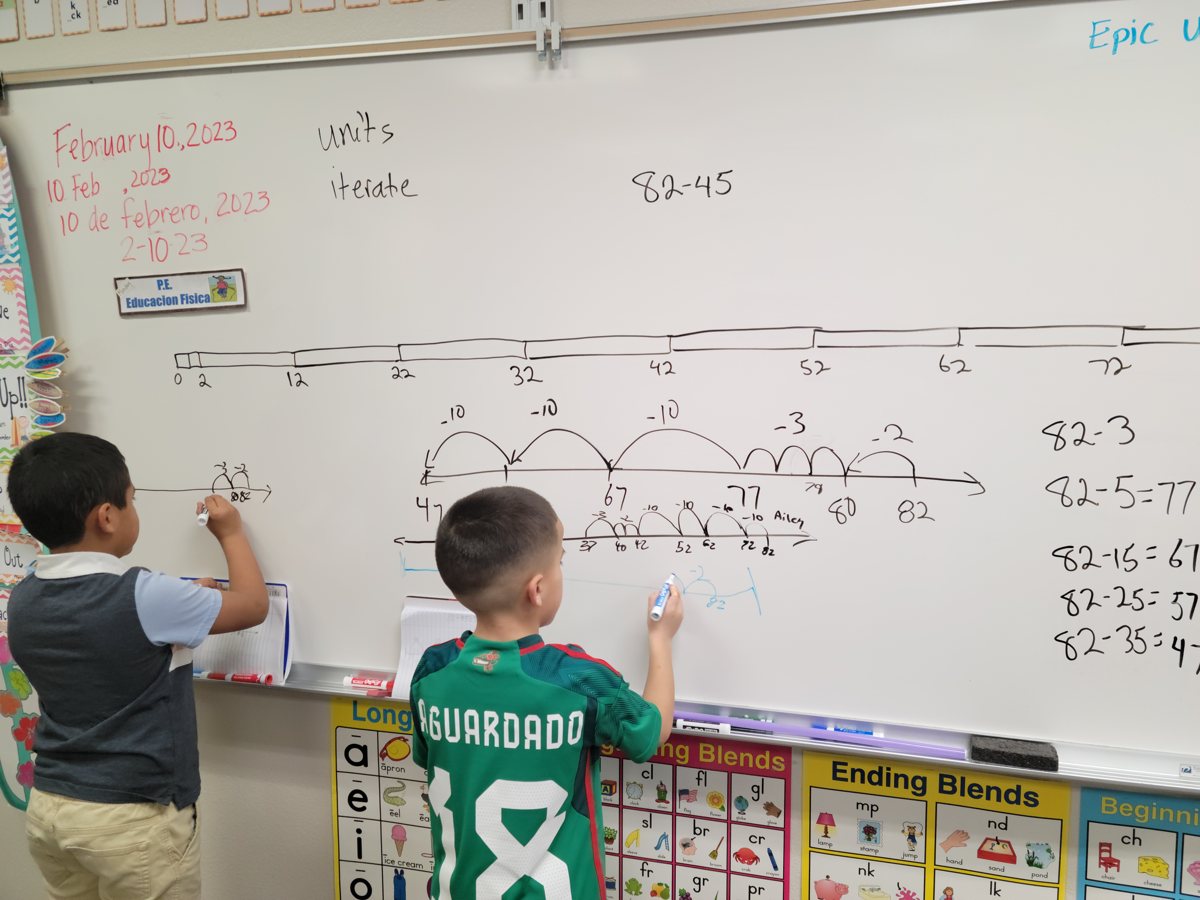
When students compose a new ten and see it, 47 + 25 becomes something they can reason through. When subtraction runs on the same number line and bar models they already used for addition, it arrives as the same idea in reverse, not a new procedure to survive.
That's real place value: units students build, draw, and explain. That's fluency that survives past November. Watch the free Grade 2 lesson →
Spatial reasoning quietly predicts later math achievement more than verbal ability does, and it can be learned.
Every hop on the number line, every bar model, every unit composed is a rep for the spatial engine, which is exactly why subtraction the day after addition takes a day: the mind already has the picture.
Measurement rides on the same skill: units compared, iterated, and composed before they are ever abbreviated with a ruler.
The most powerful vocabulary in Grades 1-2 is not a word wall. It is the precise language of mathematics, and these two words appear everywhere from here to college.
The thing being counted or measured. In Grade 1, the unit is 1. In Grade 2, the ten becomes the unit: 42 is 4 units of 10 and 2 units of 1.
Once a child sees the ten as a unit they built, regrouping stops being a mystery ritual. Place value, measurement, and every algorithm after are just new units.
Mrs. Stucki's kindergartners already find the unit of 10 hiding inside 11.
Put parts together to make a whole. Students compose a new ten from ten ones, compose 100 from tens, and compose 47 + 25 on the number line.
Then, the day after addition, subtraction arrives as the same idea in reverse: decompose the ten. When a student says “I composed a ten,” the teacher hears exactly how the child is thinking, and the misconception clears itself up.
Because the words are precise, they align teachers with student thinking and the focused concept. When we're consistent with compose, decompose, unit, iterate, partition, equal from kindergarten on, the math conversation never has to restart. It's the same through college and beyond.
Real teachers. Real classrooms.
“We practiced the addition until it is really solid. And then all I have to do is tell a subtraction story and they don't even bat an eye. They just solve it.”
“This is it. This is how to teach math.”
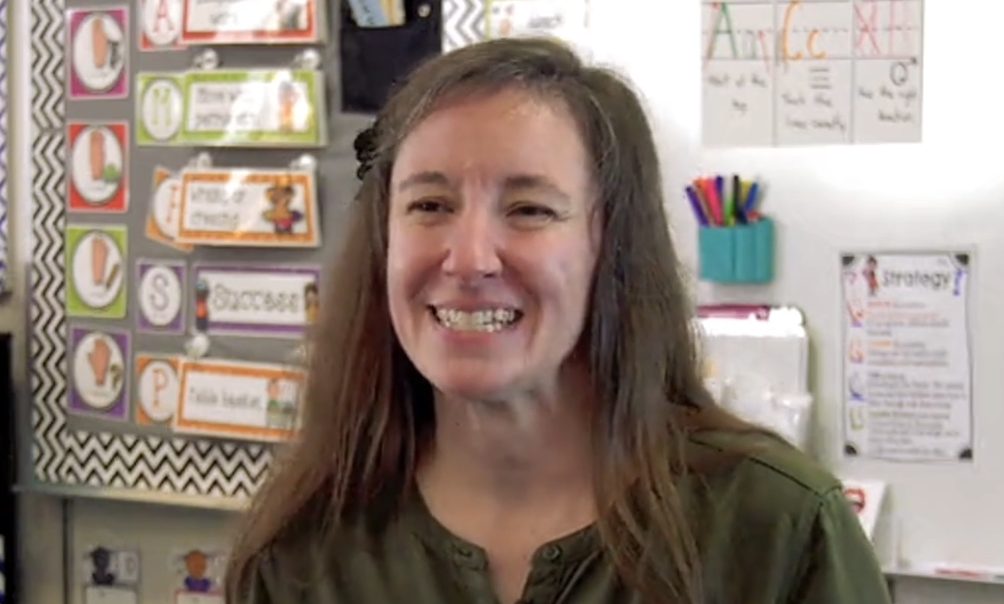
“Despite extraordinary barriers: nonverbal students, 3-month absences, working memory challenges, our students grew. These kids aren't just saying math words anymore. They can explain them and show models to back it up.” Rosie Ashcraft, kindergarten teacher, on the growth and the math talk in her own classroom.
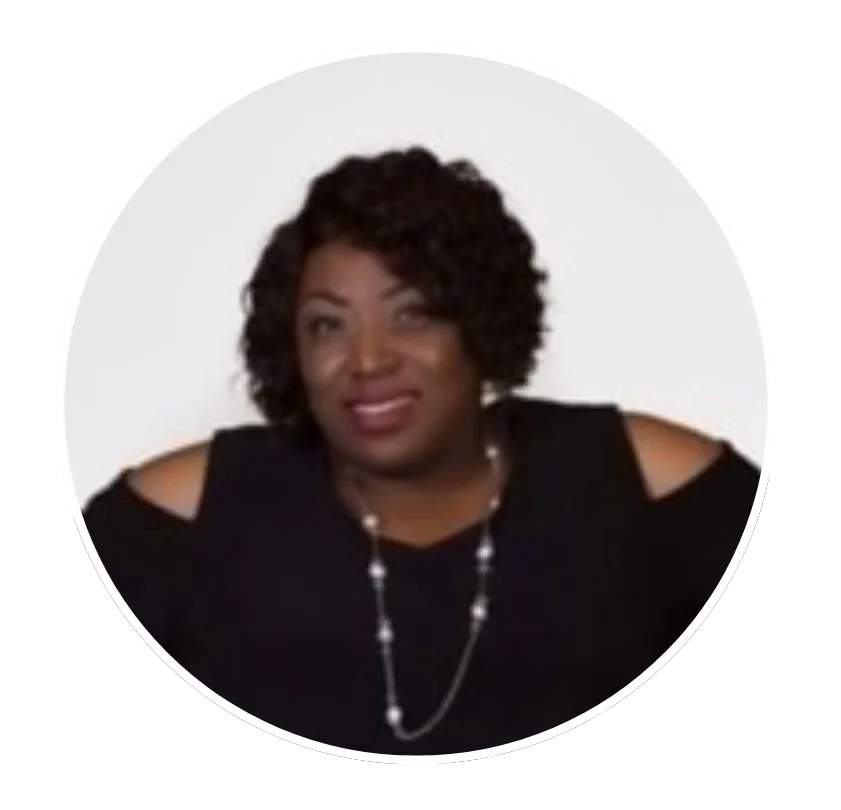
“In 14 years, I've never seen a company come in and support the children directly. DMTI works with the teachers and the students side by side.” Principal Chinita Irby
Who benefits most? The students furthest behind. In the peer-reviewed cluster-randomized study (25 schools, 4,618 students), the students who started with the lowest math performance made the largest gains.
Independent evaluation (RMC Research): 79.2% of students in DMT classrooms proficient or advanced vs 65.7% in comparison classrooms, with DMT schools serving more students in poverty and more English learners.
That matters most in Grades 1-2, where the gap is still small enough to close.
What a child builds in Grades 1-2 does more than pass benchmarks: it decides how the upper grades feel. The language (unit, compose, decompose) and the models (number line, bar model) a child builds now are the same ones that carry them through fractions, algebra, and college. Nothing to unlearn. Everything builds.
Tens composed, differences explained on the number line
Multiplication as units of units: same words, bigger numbers
Reasoning that scales: models still work, language still precise
“The primary years are where place value and the operations are won or lost, and most programs teach the column before the unit. Let me show you the version where regrouping isn't a mystery.”
The people behind 40+ years of classroom research don't hand you a binder and disappear. They're in the portal, on the weekly calls, and, when you need it, building a plan for your students with you.
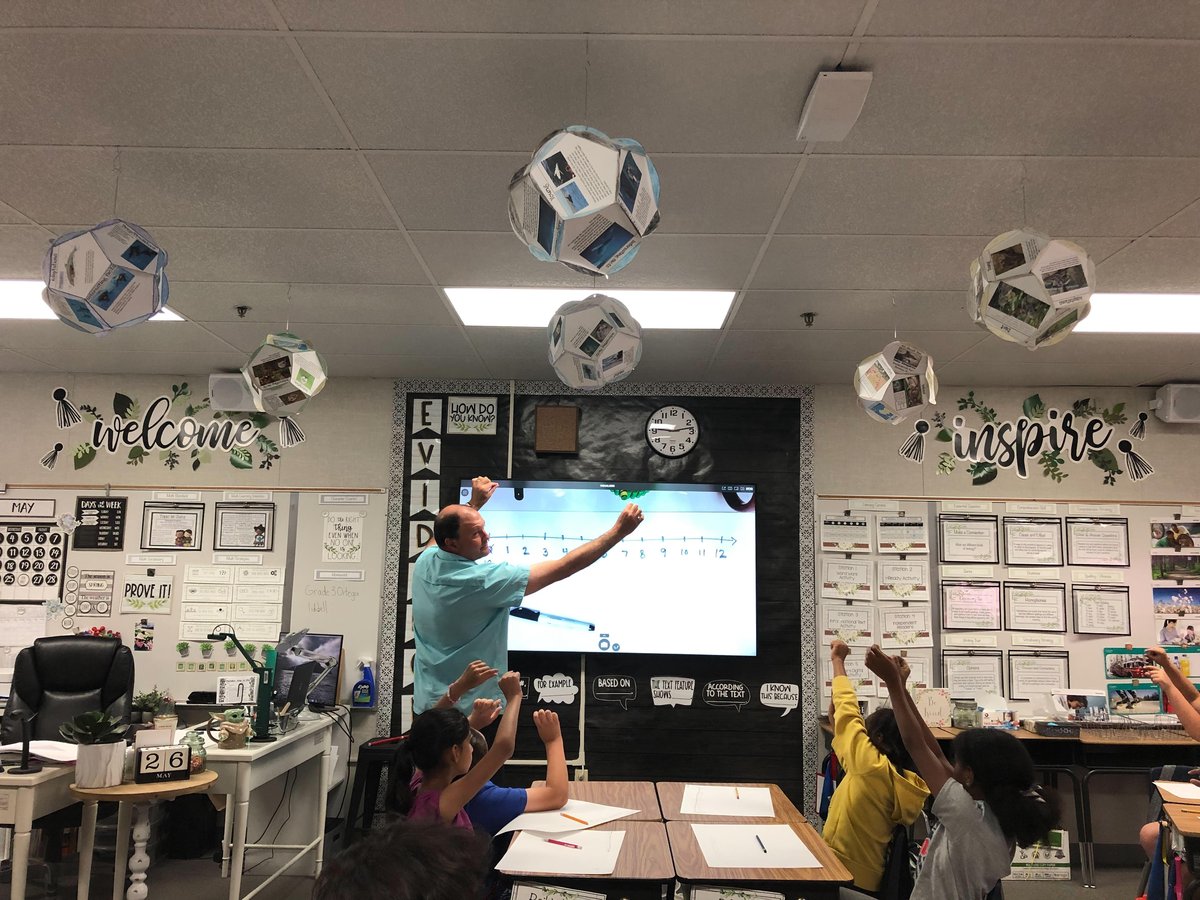
Coach in the room, number line up
Real coaching, live over Zoom
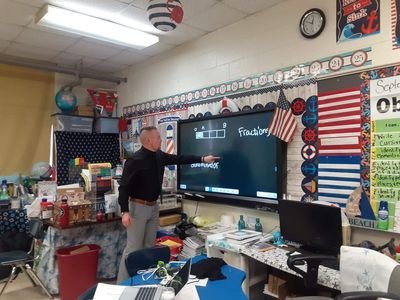
Fraction questions? He's got them.
Your classroom, your students, your constraints. You tell us what Tuesday actually looks like, and we start there, not with a script.
Diagnostic → instruction → intervention, mapped to your roster. You'll know exactly what to do tomorrow and why it works.
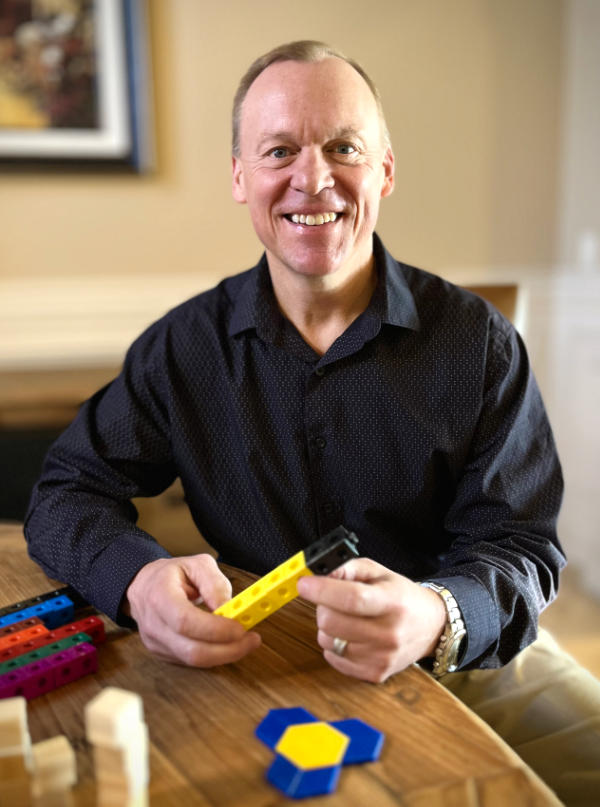
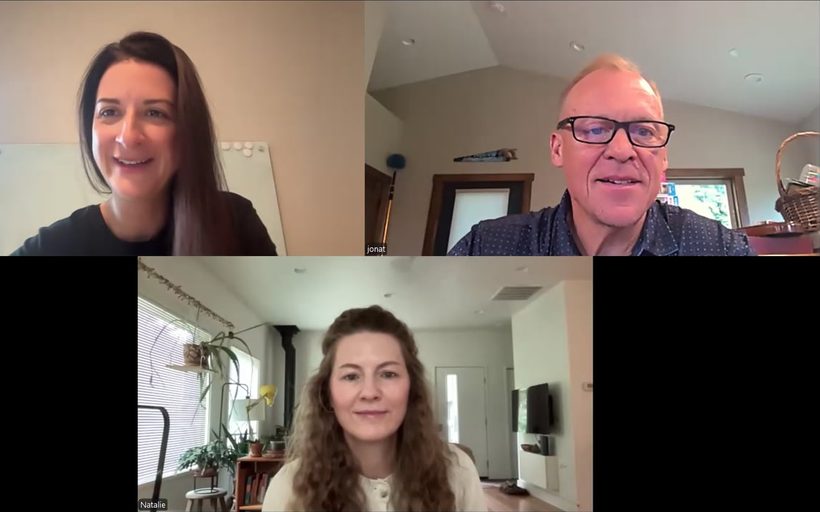
Weekly live calls with Dr. Brendefur & Dr. Ismail, portal Q&A answered by people who've taught the lesson. When you hit a wall, we're there.
Every teacher is in a different place. Our goal is to meet teachers where they are, help them better understand the mathematics and their students’ thinking, and make good decisions about what to do next.
Tell us about one student who is stuck, or one lesson that keeps falling flat, and we will build the plan with you. That is the partnership: teacher-led, expert-backed. We do not push a system downward; we listen, advise, question, and support.
Plus at least an hour of expert time free, and as many questions as you can ask, answered. Join today, and everything you download is yours to print and keep. FOREVER.
Subtraction gets to be easy. You don't need one more thing on your plate. You need a clearer path through it. One routine this week; the rest builds from there.
Free weekly Q&A with Dr. Jackie Ismail and Dr. Jonathan Brendefur, the researchers behind the program. Grades 1-2 questions welcome: a stuck regrouping lesson, a student who puzzles you, a routine you want to sharpen. Send your questions ahead of time or drop them in the YouTube chat during the call.
“Bring one stuck lesson,
leave with a plan.”
Straight answers, the same ones we'd give you on a call.
No, it supplements it. The models, routines, and assessments deepen how your students think about the math you're already required to teach, alongside your adopted curriculum.
The lessons target the concepts your grade-level standards expect (number sense, place value, the operations, fractions), and we'll help you map them onto your district's pacing.
Less than you'd think. Lessons come with plans, printables, and practice built in. Most teachers start with one routine a week and grow from there.
Printables print on any printer; the demo lessons and interactive games run in your browser. Nothing to install.
Coaching is live and on demand. Sessions live in the portal, so you can catch up whenever it works.
$21/month or $210/year, month to month. Cancel anytime in one click, and everything you've downloaded is yours to keep. If it doesn't make your teaching clearer within 30 days of your first charge, we refund you. No forms.
Teachers don't need another commitment. Start free, see your students compose their first ten, feel more confident walking into class tomorrow.
30-day money-back guarantee: full refund, keep everything you've downloaded
Month to month · no contract · cancel anytime.
Plus the 30-day money-back guarantee: if it doesn't make your teaching clearer within 30 days of your first charge, email us and we refund you. No forms, no explanation required, and you keep the materials you already downloaded.
Here's what you get instantly when you join Math Success by DMTI ($21/month):
30-day money-back guarantee: full refund, keep everything you've downloaded
The Grades 1-2 Pack is open right now. Yours to keep whether or not you ever enroll.
Place value & the operations: a full lesson taught, with practice and printables that go with it.
Watch it free →Why facts stick when they're built from relationships, and how to run that classroom.
Read it free →What the research says about the primary years: the moves that matter most.
Read it free →Not ready to subscribe? The free stuff is still yours. No card, no signup.
Try the free Grade 2 demo lesson · Take the free Foundations course
Both open with an email. That's it. Yours to keep either way.